
Geocities
The internet’s original glitter bomb. If your page didn’t have a guestbook and a seizure warning, did you even Geocities?
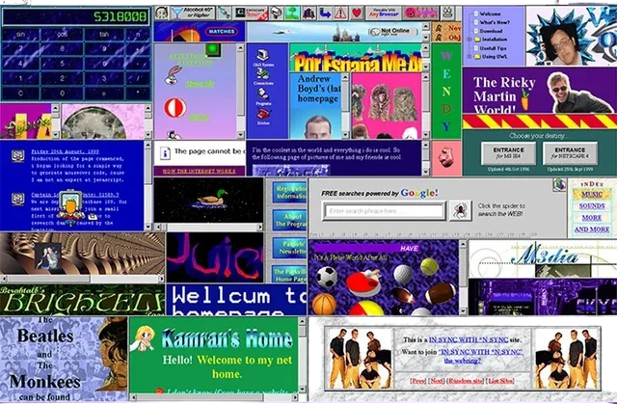
GeoCities was the part of the internet where absolutely everybody got to become their own terrible web designer. Neon stars, tiled backgrounds, guestbooks, MIDI files, flaming GIFs, and enough unreadable text colors to make your monitor file a complaint.
It was messy, homemade, deeply personal, and gloriously unprofessional in exactly the right way. The modern web got cleaner and smoother, sure, but GeoCities had the kind of chaotic soul you cannot fake with a startup brand guide.
Quick Bits
What It Was
Geocities gave ordinary people a place to build personal websites without asking permission from anyone important. The result was messy, expressive, tacky, heartfelt, and absolutely glorious.
Why It Mattered
It helped make the web feel personal instead of corporate. Suddenly the internet looked like fan pages, diaries, weird obsessions, jokes, hobbies, and homemade chaos instead of just official-looking information.
Why It Still Matters
Modern platforms replaced Geocities with cleaner, easier, far more centralized systems that politely shaved off a lot of the weirdness.
Geocities still matters because it preserves a version of the web that felt stranger, more personal, and way less optimized for engagement metrics.
Why People Romanticize It
Geocities represents an internet where individuals could be loud, earnest, ugly, funny, and deeply specific without needing permission from an algorithm or platform strategy team.
That freedom produced a ton of terrible design, sure, but it also produced a web that felt more human and less professionally flattened.
Archive Note
Each archive page is an original editorial summary built to give quick historical context, why the tech mattered, and why it fell out of the spotlight. The tone is intentionally cheeky, but the goal is still to be clear, useful, and grounded in the real product story.
This is not an academic paper, collector price guide, or exhaustive spec sheet. It is a concise archive entry meant to make old tech legible, memorable, and easy to browse without sanding off all the personality.
If you spot something off or want to nominate a better forgotten gadget for the archive, head over to the contact page and say so.
Sources And Further Reading
Selected links used to ground the historical timeline, format details, or product context.
More From This Lane
A few neighboring relics chosen by lane, era, and how they got replaced.