
Dedicated Word Processor
The almost-computer that let offices edit text in peace before PCs showed up and ate its lunch.
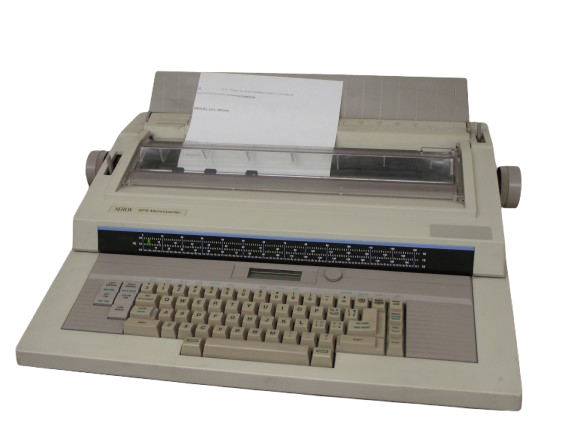
The dedicated word processor was the office machine for people who wanted to feel futuristic without inviting a full-blown personal computer into the room. It sat in the sweet spot between the clackety tyranny of the typewriter and the beige-box revolution that would eventually swallow the entire office supply closet.
In the late 70s and 80s, these machines made editing feel downright luxurious: move text, fix mistakes, print clean copies, act like a wizard. Then PCs and word-processing software arrived with broader ambitions, and the single-purpose writing box got gently shoved offstage.
Quick Bits
What It Was
A dedicated word processor was a purpose-built electronic writing machine designed for drafting, editing, storing, and printing documents. It gave offices text manipulation without requiring everyone to learn a full general-purpose computer.
Why It Mattered
Compared with typewriters, these systems made corrections, revisions, and document reuse dramatically easier, which was a huge deal for offices drowning in memos and correspondence. They helped normalize the idea that text could live on a screen before it hit paper.
Why It Got Replaced
Once PCs became affordable and versatile, it was hard to justify a machine that mostly did one thing when a computer could handle documents, spreadsheets, databases, and whatever else management had just discovered.
Dedicated word processors still matter because they trained offices to expect editable digital documents before the personal computer fully took over the building.
Why It Matters Beyond Nostalgia
Dedicated word processors helped offices learn a new mental model of writing: text could be stored, revised, moved around, and reused without starting from scratch every time. That was a huge cultural shift in white-collar work.
In that sense, these machines were not dead ends. They were training wheels for the digital document habits modern offices now take for granted.
Archive Note
Each archive page is an original editorial summary built to give quick historical context, why the tech mattered, and why it fell out of the spotlight. The tone is intentionally cheeky, but the goal is still to be clear, useful, and grounded in the real product story.
This is not an academic paper, collector price guide, or exhaustive spec sheet. It is a concise archive entry meant to make old tech legible, memorable, and easy to browse without sanding off all the personality.
If you spot something off or want to nominate a better forgotten gadget for the archive, head over to the contact page and say so.
More From This Lane
A few neighboring relics chosen by lane, era, and how they got replaced.