
Floppy Disk
The OG save icon. 1.44MB of pure, unreliable magic — and yes, blowing on it *felt* like it helped.
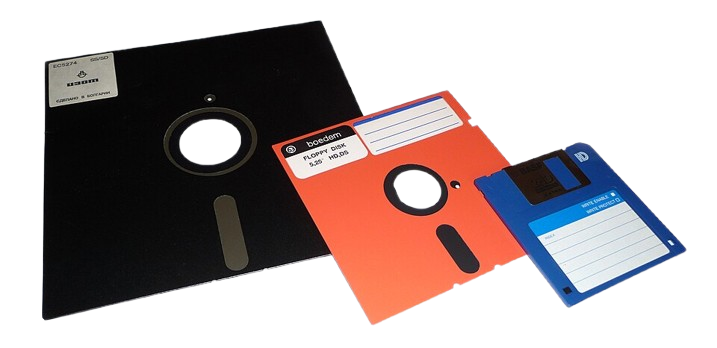
The floppy disk was your file's first suitcase. You crammed essays, spreadsheets, and pixelated glory into its humble 1.44MB shell. Before cloud storage and thumb drives, this was how we got files from one place to another — slowly, and with a prayer.
Popularized in the mid-80s by Sony, the 3.5-inch floppy reigned supreme in the personal computing world. Sure, it barely held a photo by today’s standards, but it revolutionized how we backed up and shared data. Its legacy? Immortality as the “Save” icon.
Quick Bits
What It Was
The 3.5-inch floppy disk was how you hauled files around before USB drives, cloud sync, and all the other luxuries got here. It was pocket-sized, iconic, and always one bad bend away from ruining your afternoon.
Why It Mattered
Floppies made personal computing portable in a very flimsy sort of way. You could move homework, share games, and keep a backup in a desk drawer like that was going to save you from chaos.
Legacy
Its storage limits turned into a joke the second computers started dealing with photos, music, and software bigger than a sneeze.
Even after the disks vanished, the floppy got promoted to immortality as the save icon, which is honestly a better retirement plan than most tech ever gets.
Why It Still Shows Up
Floppies are one of the clearest symbols of early personal computing because they capture the era perfectly: portable, fragile, and weirdly optimistic about how little storage anyone would ever need.
Retro computer communities still use them for restoration, old software, and the very specific thrill of hearing obsolete hardware do exactly what it was built to do.
Archive Note
Each archive page is an original editorial summary built to give quick historical context, why the tech mattered, and why it fell out of the spotlight. The tone is intentionally cheeky, but the goal is still to be clear, useful, and grounded in the real product story.
This is not an academic paper, collector price guide, or exhaustive spec sheet. It is a concise archive entry meant to make old tech legible, memorable, and easy to browse without sanding off all the personality.
If you spot something off or want to nominate a better forgotten gadget for the archive, head over to the contact page and say so.
Sources And Further Reading
Selected links used to ground the historical timeline, format details, or product context.
More From This Lane
A few neighboring relics chosen by lane, era, and how they got replaced.