
Windows 95 Startup Disk
Insert disk, cross fingers, and prepare to duel your PC’s mood swings. The original IT panic button.
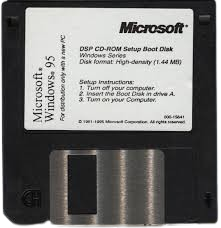
The Windows 95 startup disk: one floppy, infinite anxiety. You’d pop it in, pray it wasn’t corrupted, and answer cryptic questions like you were defusing a bomb.
It was the difference between glory and despair, and the reason every 90s kid learned to fear the phrase ‘Non-system disk or disk error.’
Quick Bits
What It Was
The Windows 95 startup disk was a rescue floppy for moments when your PC decided to become an enemy. It let you boot into DOS, poke at broken hardware, and pretend you absolutely knew what you were doing.
Why It Mattered
For home users and the one relative everybody called for tech help, the startup disk was survival gear. It kept old machines limping along, loaded CD-ROM support, and gave you one more shot before full despair.
Why It Became Obsolete
Once storage moved beyond floppies and operating systems got better built-in recovery tools, one little boot disk stopped being enough to save the day.
It still symbolizes an era when fixing your own computer required more nerve, more guesswork, and at least one mysteriously labeled floppy in a desk drawer.
Why It Still Feels Iconic
The startup disk represented the moment when personal computing became common enough that regular households needed a tiny emergency kit for their temperamental machines.
It turned troubleshooting into a ritual of commands, menus, and improvised confidence, which is exactly why so many people remember it with equal parts dread and pride.
Archive Note
Each archive page is an original editorial summary built to give quick historical context, why the tech mattered, and why it fell out of the spotlight. The tone is intentionally cheeky, but the goal is still to be clear, useful, and grounded in the real product story.
This is not an academic paper, collector price guide, or exhaustive spec sheet. It is a concise archive entry meant to make old tech legible, memorable, and easy to browse without sanding off all the personality.
If you spot something off or want to nominate a better forgotten gadget for the archive, head over to the contact page and say so.
More From This Lane
A few neighboring relics chosen by lane, era, and how they got replaced.