
Google Glass
The future was on your face. Unfortunately, it didn't help your looks.
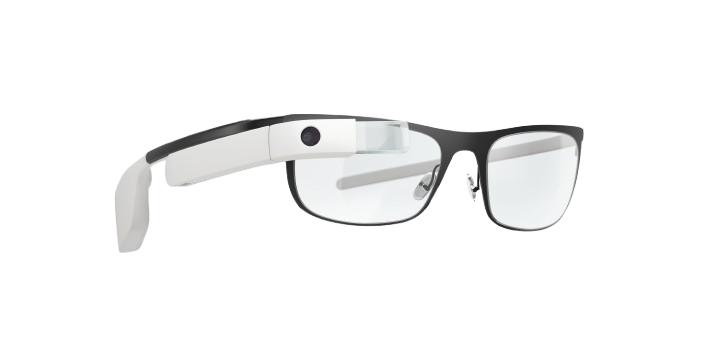
Google Glass was the moment tech companies decided the future should live directly on your face and everyone else should just get comfortable with that. You got notifications, directions, camera tricks, and the distinct social experience of making every nearby stranger wonder whether they were being silently recorded by a cyborg intern.
As an early AR wearable, it was bold, expensive, awkward, and absolutely fascinating. It did not go mainstream, but it did perform the public service of teaching the wearables industry exactly how futuristic something can feel before regular humans decide they would rather not.
Quick Bits
What It Was
Google Glass was an early face computer that put notifications, camera features, and digital overlays right in your line of sight. It was sold as the future, which sounded exciting right up until people had to stand next to it in public.
Why It Mattered
It shoved augmented reality, wearable interfaces, and tech-in-your-face social boundaries into the mainstream conversation all at once. Even people who never wore it understood it was trying to change how humans relate to screens.
Why It Did Not Catch On
It was expensive, socially awkward, and wrapped in privacy concerns that made wearing it in public feel like a great way to get side-eyed.
Glass matters less as a hit product and more as a giant caution sign for the wearables industry about timing, trust, and not freaking everybody out.
Why It Still Gets Studied
Glass remains relevant because it forced the tech world to confront a hard truth: the future can be technically impressive and still socially dead on arrival.
That makes it an unusually valuable failure. It tested the boundaries of wearable computing in public before most companies knew how uncomfortable that experiment would feel.
Archive Note
Each archive page is an original editorial summary built to give quick historical context, why the tech mattered, and why it fell out of the spotlight. The tone is intentionally cheeky, but the goal is still to be clear, useful, and grounded in the real product story.
This is not an academic paper, collector price guide, or exhaustive spec sheet. It is a concise archive entry meant to make old tech legible, memorable, and easy to browse without sanding off all the personality.
If you spot something off or want to nominate a better forgotten gadget for the archive, head over to the contact page and say so.
More From This Lane
A few neighboring relics chosen by lane, era, and how they got replaced.