
Windows Phone
Tiles so clean you could eat off them. Apps so few you might have to.
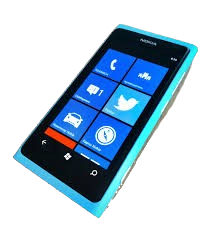
Windows Phone was the smartphone for people who wanted their home screen to look like a modern art poster instead of a junk drawer. Metro UI brought giant type, live tiles, and enough visual confidence to make every other phone look like it dressed in the dark.
The hardware was often great, the cameras could slap, and the design still gets wistful sighs from people with taste. Unfortunately, an app ecosystem built on hopes and vibes is not much of an ecosystem, so Windows Phone went down looking fabulous.
Quick Bits
What It Was
Windows Phone was Microsoft's smartphone platform built around the Metro design language and a live-tile home screen that looked wildly cleaner than most of its competition. It showed up looking like a design student's dream project that somehow shipped.
Why It Mattered
It is still one of the clearest examples of mobile design that felt distinctive, coherent, and genuinely ahead of a lot of competitors visually. Windows Phone proved smartphone software did not have to copy everybody else to look polished.
Why It Could Not Survive
Without enough developer support and app coverage, even gorgeous design eventually runs out of road.
Windows Phone is remembered with unusual affection because it did not fail in a boring way. It failed looking fantastic.
Why Designers Still Bring It Up
Windows Phone made typography, spacing, and motion feel central instead of decorative. It looked opinionated in a market that often preferred safe rectangles full of icons.
That is why it still gets cited in design conversations. Even people who never owned one can see that it tried to build a more coherent visual language than a lot of mobile software around it.
Archive Note
Each archive page is an original editorial summary built to give quick historical context, why the tech mattered, and why it fell out of the spotlight. The tone is intentionally cheeky, but the goal is still to be clear, useful, and grounded in the real product story.
This is not an academic paper, collector price guide, or exhaustive spec sheet. It is a concise archive entry meant to make old tech legible, memorable, and easy to browse without sanding off all the personality.
If you spot something off or want to nominate a better forgotten gadget for the archive, head over to the contact page and say so.
Sources And Further Reading
Selected links used to ground the historical timeline, format details, or product context.
More From This Lane
A few neighboring relics chosen by lane, era, and how they got replaced.