
Keitai
Floppy of HonorJapan's flip phone from the future. Emoji, mobile internet, and a camera — all before the rest of the world had figured out texting.
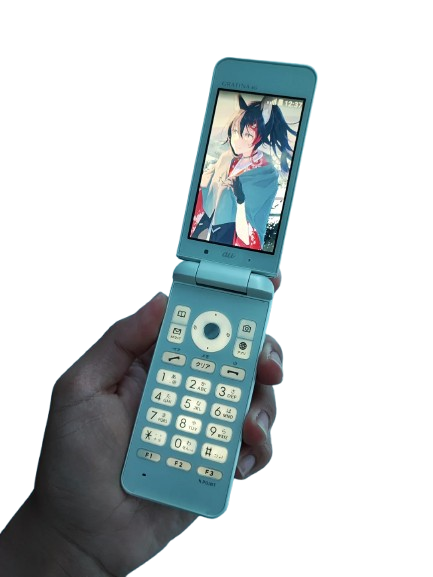
★ First-ever community submission! ★
While the West was still poking at Nokia bricks and praying T9 would not embarrass us, Japan was out here living in 2010. Keitai — shorthand for keitai denwa, literally "portable telephone" — was Japan's homegrown mobile phone phenomenon that rewrote the rules of what a handset could do roughly a decade before everyone else got the memo.
From the late 1990s through the mid-2000s, Japanese phones packed full-color screens, built-in cameras, mobile TV, contactless payments, and i-mode internet browsing into shells so sleek they made plenty of Western phones look like plastic toast. Emoji also got a major boost here: NTT DOCOMO released its original 176-emoji set in 1999, designed by Shigetaka Kurita for mobile phones and pagers.
The keitai evolved in such glorious isolation that Western tech writers eventually started calling some of these devices "Galapagos phones" — brilliant, highly specialized, and a little disconnected from the rest of the mobile world. Then the iPhone showed up, Android followed, and the whole ecosystem slowly folded into the global smartphone mold. But for one golden stretch, Japan was casually carrying the world's most advanced phone in its pocket.
Quick Bits
What It Was
Keitai was not just one phone. It was an entire Japanese feature-phone ecosystem that got weirdly, brilliantly ahead of the curve. Flip phones became tiny command centers for messaging, browsing, photos, games, transit passes, and all kinds of life admin before much of the rest of the world had fully processed custom ringtones.
Why It Mattered
Keitai proved the mobile future was going to be much bigger than voice calls and the occasional painfully typed text. Services like i-mode made mobile internet feel useful, everyday, and consumer-friendly, and the ecosystem helped normalize habits that now feel completely ordinary on smartphones.
Why It Faded
Once iPhone and Android standardized the global smartphone experience around touchscreens, app stores, and giant software ecosystems, keitai started looking less like the future and more like a brilliant local branch of it.
It also suffered from being highly optimized for Japan's own market. That is great when you are dominating at home and less great when the rest of the world decides one rectangle should rule them all.
Why It Gets a Little Extra Love Here
Keitai earns a ceremonial bow in this archive for another reason: it came in as our first-ever community submission. That is elite behavior from a category of phones that was already ahead of everybody else.
Massive props to the reader who kicked off the suggestion box. You get the ceremonial Floppy Disk of Honor, cherish it. You chose a very fitting first artifact.
Archive Note
Each archive page is an original editorial summary built to give quick historical context, why the tech mattered, and why it fell out of the spotlight. The tone is intentionally cheeky, but the goal is still to be clear, useful, and grounded in the real product story.
This is not an academic paper, collector price guide, or exhaustive spec sheet. It is a concise archive entry meant to make old tech legible, memorable, and easy to browse without sanding off all the personality.
If you spot something off or want to nominate a better forgotten gadget for the archive, head over to the contact page and say so.
Sources And Further Reading
Selected links used to ground the historical timeline, format details, or product context.
More From This Lane
A few neighboring relics chosen by lane, era, and how they got replaced.