
AIM (AOL Instant Messenger)
The OG drama machine. If you didn’t have a cryptic away message, did you even exist?
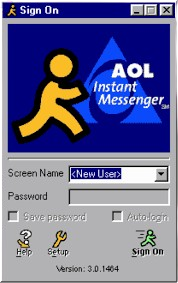
AIM was where the internet learned how to flirt badly, overshare artistically, and weaponize an away message. You logged in, heard that door creak, and instantly knew whether the night was about friendship, heartbreak, or somebody posting Fall Out Boy lyrics like it was a hostage note.
Buddy lists became social ranking systems, screen names became identities, and being left on read before read receipts even existed became a spiritual experience. RIP, AIM. You were the digital cafeteria table, and absolutely nobody was acting normal there.
Quick Bits
What It Was
AIM was one of the defining instant messengers of the desktop internet, and logging on felt like entering the social arena. You had screen names, buddy lists, away messages, and a constant chance of immediate emotional nonsense.
Why It Mattered
AIM taught millions of people how to talk online in real time. It shaped screen-name culture, internet slang, away-message theater, and the entire emotional grammar of messaging before phones made constant chat unavoidable.
Why It Eventually Lost Ground
Once communication shifted from desktop computers to phones and social apps, AIM started looking like a beloved relic with a startup sound.
Its exact features faded, but its DNA is still all over modern messaging, from typing bubbles to status updates to the very idea of sliding into somebody's digital space instantly.
Why People Still Bring It Up
AIM was not just software. It was a whole social setting, complete with invisible rules, public feelings, and the specific humiliation of being online when someone you liked was not responding.
That is why it remains one of the most emotionally remembered internet products of its era instead of just another dead desktop app.
Archive Note
Each archive page is an original editorial summary built to give quick historical context, why the tech mattered, and why it fell out of the spotlight. The tone is intentionally cheeky, but the goal is still to be clear, useful, and grounded in the real product story.
This is not an academic paper, collector price guide, or exhaustive spec sheet. It is a concise archive entry meant to make old tech legible, memorable, and easy to browse without sanding off all the personality.
If you spot something off or want to nominate a better forgotten gadget for the archive, head over to the contact page and say so.
Sources And Further Reading
Selected links used to ground the historical timeline, format details, or product context.
More From This Lane
A few neighboring relics chosen by lane, era, and how they got replaced.