
Pager
The original pocket ping. Before texts, your pocket buzzed and you had to hunt down a payphone — usually with exact change.
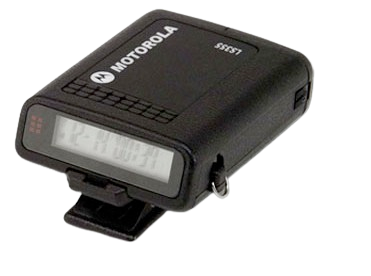
Beepers were everywhere in the 90s — clipped to belts, buried in backpacks, and buzzing at the worst possible times. Doctors had them, dealers had them, and anyone trying to look important had one too. They didn’t send messages, but that little buzz meant someone wanted your attention. Bonus cool points if yours had a translucent case.
Pagers (or beepers) have been around since the 1950s, but they hit their stride in the 80s and 90s. Using radio signals to deliver simple numeric (and later text) messages, they were the go-to for quick communication before cell phones took over. While most of us left them behind in the early 2000s, some places — especially hospitals — still keep them buzzing.
Quick Bits
What It Was
A pager was a tiny little panic button clipped to your belt. It did not pretend to be a full communication center. It just buzzed, flashed, and basically told you, "Find a phone, somebody wants you."
Why It Mattered
Before cheap mobile phones took over, pagers offered something that felt borderline magical: instant reach. Doctors, field workers, and anyone trying to look important could be contacted fast without being welded to a desk phone.
Why It Mostly Disappeared
Once mobile phones became common, carrying a device whose main job was telling you to go find a different device stopped making much sense.
They still hang on in a few specialized places because simple, loud, and dependable can still beat smart and needy sometimes.
Why A Few Never Died
Pagers survived longer than most people expected because they were durable, battery-friendly, and often more dependable than early cellular networks in critical situations.
That is why they remain part of the mythology of emergency work and 90s communication culture at the same time, which is a pretty unusual career arc for one little beeping brick.
Archive Note
Each archive page is an original editorial summary built to give quick historical context, why the tech mattered, and why it fell out of the spotlight. The tone is intentionally cheeky, but the goal is still to be clear, useful, and grounded in the real product story.
This is not an academic paper, collector price guide, or exhaustive spec sheet. It is a concise archive entry meant to make old tech legible, memorable, and easy to browse without sanding off all the personality.
If you spot something off or want to nominate a better forgotten gadget for the archive, head over to the contact page and say so.
More From This Lane
A few neighboring relics chosen by lane, era, and how they got replaced.