
Dial-up Modem
The internet’s original theme song: robot screeching, static, and the sound of your patience dying. Disconnects guaranteed if your mom needed the phone.
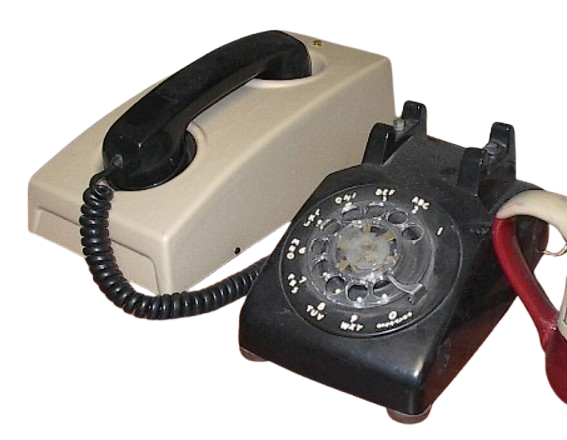
Dial-up was the ultimate test of willpower and family diplomacy. You’d click ‘Connect,’ hear a noise that sounded like R2-D2 in pain, and pray nobody picked up the phone. At 56kbps, you could download a song in just 30 minutes—if the cosmos aligned.
It was the gateway to chat rooms, pixelated GIFs, and the wild west of the early web. Sure, it was slow, but it made every meme feel like a hard-won trophy. Dial-up walked so WiFi could run (and so you could finally use the phone and internet at the same time).
Quick Bits
What It Was
A dial-up modem turned your computer's data into an unholy chorus of screeches so it could travel over a regular phone line. At the time that felt miraculous. Now it feels like audio evidence from a difficult era.
Why It Mattered
Dial-up got millions of homes online for the first time. It made email, chat rooms, weird little websites, and painfully slow downloads part of daily life and helped drag the internet into the mainstream.
Why It Could Not Last
Speeds were bad, connections were fragile, and going online meant nobody else in the house could use the phone without starting a family argument.
Broadband solved those problems so thoroughly that dial-up went from necessity to punchline in record time.
What It Gave The Early Web
Dial-up trained users to treat the internet like a destination instead of background infrastructure. You connected on purpose, did what you needed to do, and disconnected when you were done.
That slower rhythm helped shape early web culture, for better and worse, because every image, download, and chat session felt like it cost a tiny piece of your life.
Archive Note
Each archive page is an original editorial summary built to give quick historical context, why the tech mattered, and why it fell out of the spotlight. The tone is intentionally cheeky, but the goal is still to be clear, useful, and grounded in the real product story.
This is not an academic paper, collector price guide, or exhaustive spec sheet. It is a concise archive entry meant to make old tech legible, memorable, and easy to browse without sanding off all the personality.
If you spot something off or want to nominate a better forgotten gadget for the archive, head over to the contact page and say so.
More From This Lane
A few neighboring relics chosen by lane, era, and how they got replaced.