
BlackBerry
The phone that made you feel like a CEO, even if you were just texting your mom. That keyboard? Legendary.
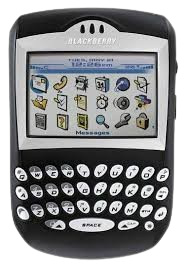
BlackBerry was the phone that made ordinary office workers feel like they were one airport lounge away from running a multinational empire. That tiny keyboard clicked like destiny, and the blinking red light had a supernatural ability to make you check work email when you should have been enjoying a weekend.
For a while it was the undisputed power-user status symbol: secure, serious, and just smug enough. Then touchscreens rolled in, apps took over, and the business-brick king got dethroned by glass slabs and thumb swipes.
Quick Bits
What It Was
BlackBerry was the phone brand that made mobile email and messaging feel dangerously important. Its devices were fast, reliable, and built around keyboards so good they made inbox addiction feel efficient.
Why It Mattered
For years, BlackBerry was the serious work phone. Executives, governments, and office lifers loved it because it made communication fast, portable, and just addictive enough to ruin a weekend.
Why It Lost the Smartphone Race
Touchscreen phones moved faster, built stronger app ecosystems, and changed the definition of what people expected a phone to be.
BlackBerry still gets respect because it solved one thing insanely well: letting people type and communicate with confidence while pretending they were not glued to work.
Why It Changed Work Culture
BlackBerry did more than sell phones. It helped normalize the expectation that professionals could be contacted anytime, anywhere, and should probably answer too.
That made it an innovation triumph and a work-life-balance menace at the same time, which is a very on-brand technology legacy.
Archive Note
Each archive page is an original editorial summary built to give quick historical context, why the tech mattered, and why it fell out of the spotlight. The tone is intentionally cheeky, but the goal is still to be clear, useful, and grounded in the real product story.
This is not an academic paper, collector price guide, or exhaustive spec sheet. It is a concise archive entry meant to make old tech legible, memorable, and easy to browse without sanding off all the personality.
If you spot something off or want to nominate a better forgotten gadget for the archive, head over to the contact page and say so.
Sources And Further Reading
Selected links used to ground the historical timeline, format details, or product context.
More From This Lane
A few neighboring relics chosen by lane, era, and how they got replaced.