
Dot Matrix Printer
The office dinosaur that screamed every page into existence. If you didn’t hear it, was anything actually printed?
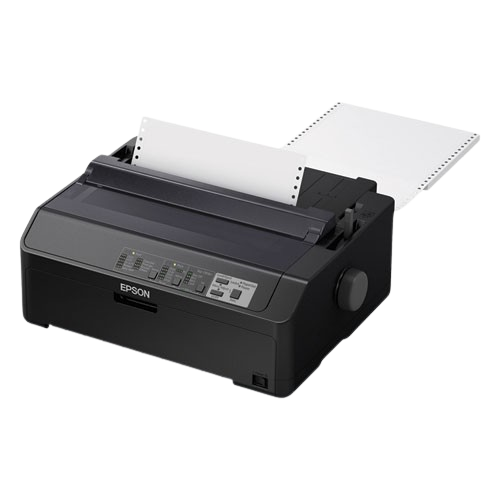
Dot matrix printers: for when you wanted your documents to sound like a tiny jackhammer and look like they were printed during a mild earthquake. These beasts chewed through endless paper, made banners longer than your homework excuses, and doubled as the world’s worst white noise machine.
They’re still alive in back offices and government buildings, probably out of spite. If you ever tore off a perforated strip, you know true satisfaction.
Quick Bits
What It Was
A dot matrix printer made text and graphics by smacking an ink ribbon with a row of pins like it had unresolved workplace rage. The results were loud, rough-looking, and extremely not subtle.
Why It Mattered
These things were cheap, dependable, and built for jobs where beauty was not even in the meeting. If you needed endless paper, multipart forms, or a machine that would keep clattering through misery, this was your guy.
Why Some Are Still Around
Inkjet and laser printers showed up with cleaner output and a little dignity, so most homes and offices happily moved on.
But dot matrix printers never fully died because a few business workflows still need a machine that treats paper forms like a personal mission.
Why Offices Still Respect It
A dot matrix printer is ugly, loud, and completely unbothered by jobs modern printers hate, especially repeated forms, tractor-feed paper, and carbon-copy paperwork.
That made it less of a beloved consumer product and more of a stubborn institutional workhorse, which is exactly why it still pops up in warehouses, counters, and back rooms.
Archive Note
Each archive page is an original editorial summary built to give quick historical context, why the tech mattered, and why it fell out of the spotlight. The tone is intentionally cheeky, but the goal is still to be clear, useful, and grounded in the real product story.
This is not an academic paper, collector price guide, or exhaustive spec sheet. It is a concise archive entry meant to make old tech legible, memorable, and easy to browse without sanding off all the personality.
If you spot something off or want to nominate a better forgotten gadget for the archive, head over to the contact page and say so.
More From This Lane
A few neighboring relics chosen by lane, era, and how they got replaced.