
Punch Cards
Before keyboards, you programmed with holes. Very, very slowly.
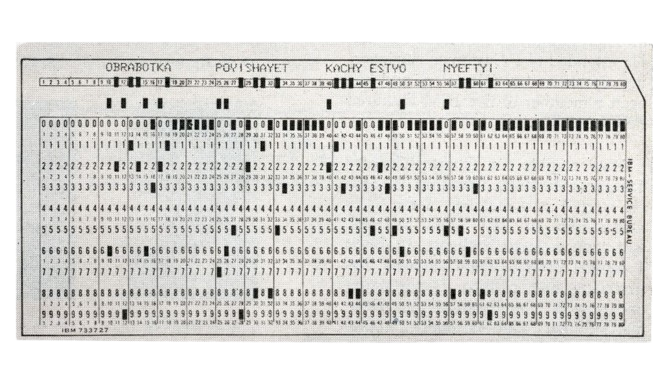
Punch cards were the OG programming method — stacks of cardboard with carefully placed holes that told the computer what to do. One typo? Start over.
They date back to the 1800s but became computing staples through the 60s and 70s. Used in early IBM machines, punch cards were fragile, confusing, and deeply satisfying to stack. They're basically ancient floppy disks, but less convenient.
Quick Bits
What It Was
Punch cards stored data and instructions as holes in stiff paper, which means early computing was somehow both high-tech and aggressively office-supply-coded. They were the physical way to feed programs into machines before keyboards and screens took over.
Why It Mattered
They were one of the big bridges between mechanical data processing and modern computing. Entire workflows, classrooms, and business systems revolved around preparing, sorting, and not dropping giant decks of them like a cartoon disaster.
Why They Feel So Alien Now
Punch-card workflows were slow, error-prone, and wildly cumbersome compared with interactive computing now.
They still matter because they make something obvious that modern devices hide really well: computing used to be stubbornly, hilariously physical.
Why They Still Teach Something
Punch cards are useful history because they make early computing look less abstract and more industrial. Programs were not invisible logic floating in the air. They were physical objects you could hold, sort, bend, lose, and ruin.
That material reality helps explain why old computing workflows demanded so much discipline and patience compared with today's instant-edit environment.
Archive Note
Each archive page is an original editorial summary built to give quick historical context, why the tech mattered, and why it fell out of the spotlight. The tone is intentionally cheeky, but the goal is still to be clear, useful, and grounded in the real product story.
This is not an academic paper, collector price guide, or exhaustive spec sheet. It is a concise archive entry meant to make old tech legible, memorable, and easy to browse without sanding off all the personality.
If you spot something off or want to nominate a better forgotten gadget for the archive, head over to the contact page and say so.
More From This Lane
A few neighboring relics chosen by lane, era, and how they got replaced.