
FireWire
Apple’s fast little port that almost made it.
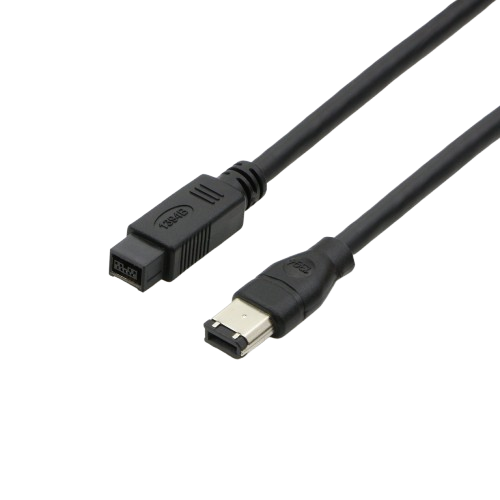
FireWire was the smug little port that made USB look like it had shown up underdressed. For camcorders, audio interfaces, and creative gear, it moved data with enough speed and reliability to make you feel like a serious adult with actual workflow opinions.
Apple loved it, editors trusted it, and for a hot minute it really did seem like the classy choice. Then USB won the market by being cheaper and everywhere, and FireWire got banished to the realm of excellent technology that lost to sheer ubiquity.
Quick Bits
What It Was
FireWire was a fast connection standard built for moving data like it actually had somewhere to be, especially in video and audio workflows. For a while it felt like the sleek, professional answer to USB's more basic vibes.
Why It Mattered
It mattered in creative workflows because it played nicely with camcorders, external drives, and audio gear. If you needed dependable speed instead of vague optimism, FireWire often looked like the smarter pick.
Why It Lost the Mainstream
Even when FireWire had technical advantages, USB had the ruder power of being everywhere and costing less.
So FireWire joined the long list of formats that were genuinely good but still got flattened by ecosystem momentum.
Why It Still Gets Respect
FireWire remains one of those rare obsolete standards people talk about with actual admiration, because it really was good at the jobs it claimed to do.
Its story is less about technical failure and more about how often the market crowns the standard that is cheap, bundled, and unavoidable instead of the one engineers quietly prefer.
Archive Note
Each archive page is an original editorial summary built to give quick historical context, why the tech mattered, and why it fell out of the spotlight. The tone is intentionally cheeky, but the goal is still to be clear, useful, and grounded in the real product story.
This is not an academic paper, collector price guide, or exhaustive spec sheet. It is a concise archive entry meant to make old tech legible, memorable, and easy to browse without sanding off all the personality.
If you spot something off or want to nominate a better forgotten gadget for the archive, head over to the contact page and say so.
More From This Lane
A few neighboring relics chosen by lane, era, and how they got replaced.